procedures

Brachiocephalic and Subclavian Artery Stent and Angioplasty

Convenient West Hills, Thousand Oaks, Lancaster, Santa Barbara, and Las Vegas Locations for Brachiocephalic and Subclavian Artery Stent and Angioplasty
Schedule Appointment

What Is Brachiocephalic and Subclavian Artery Stent and Angioplasty?

Brachiocephalic and subclavian artery stents and angioplasty are minimally invasive endovascular procedures used to treat narrowing (stenosis) or blockage of the major arteries that supply blood to the brain, arms, and upper body. These conditions can lead to symptoms such as dizziness, arm pain, blood pressure differences between arms, or even stroke-like events. Using advanced imaging guidance, an interventional neurologist restores normal blood flow by inflating a balloon (angioplasty) to widen the affected artery and placing a stent to keep it open long term.

When Is Brachiocephalic or Subclavian Artery Stenting Recommended?

This procedure is often recommended when reduced blood flow begins to cause neurological or functional symptoms, or when imaging shows significant arterial narrowing. Common indications include:

  • Subclavian Steal Syndrome: Reduced blood flow to the brain due to reversed flow in the vertebral artery.
  • Arm Pain or Fatigue with Use: Caused by poor circulation to the upper extremity.
  • Dizziness, Vision Changes, or Neurologic Symptoms: Resulting from compromised blood flow to the brain.
  • Significant Arterial Stenosis on Imaging: Even before severe symptoms develop, to prevent future complications such as stroke.
Patients seeking care at the best neurology clinic in Southern California are often referred for stenting to avoid open surgery and achieve faster recovery.

What to Expect During Brachiocephalic and Subclavian Artery Stent and Angioplasty

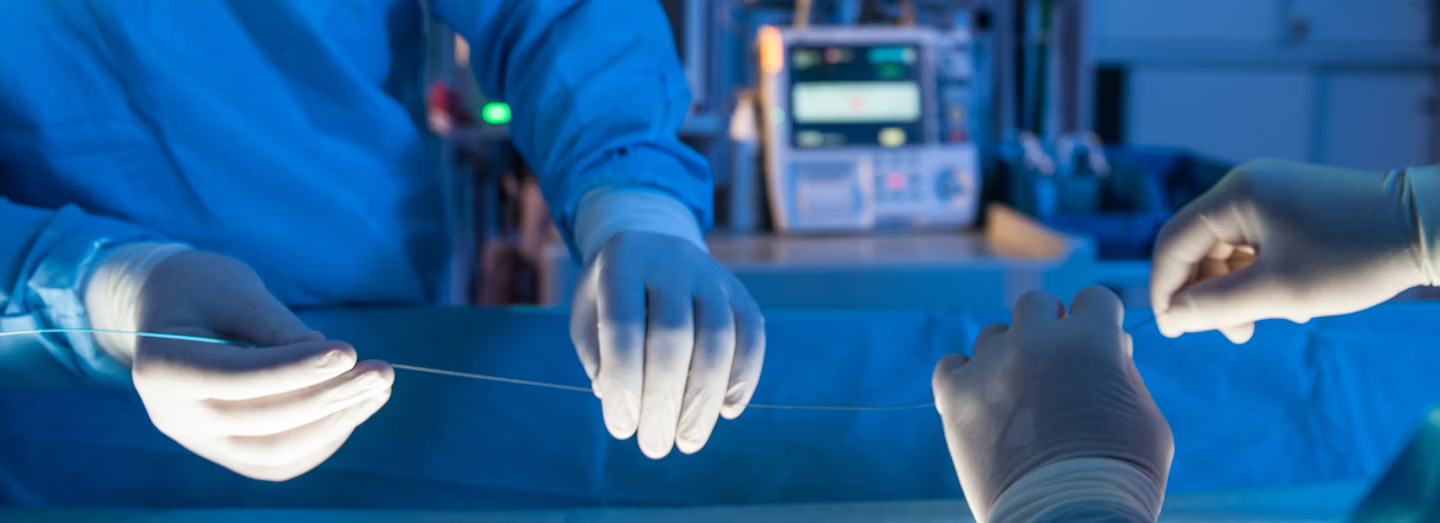
The procedure is performed in a specialized angiography suite using local anesthesia and light sedation. A small catheter is inserted through an artery in the groin or wrist and guided to the narrowed segment of the brachiocephalic or subclavian artery. A balloon is inflated to widen the vessel, and a stent is placed to maintain improved blood flow. Most procedures take one to two hours, and many patients go home the same day or after a short observation period.

Frequently Asked Questions About Brachiocephalic and Subclavian Artery Stent and Angioplasty

Is stenting safer than open surgery?
How long does a stent last?
Will my symptoms improve right away?

Where to Get Brachiocephalic and Subclavian Artery Stents and Angioplasty in Southern California and Nevada

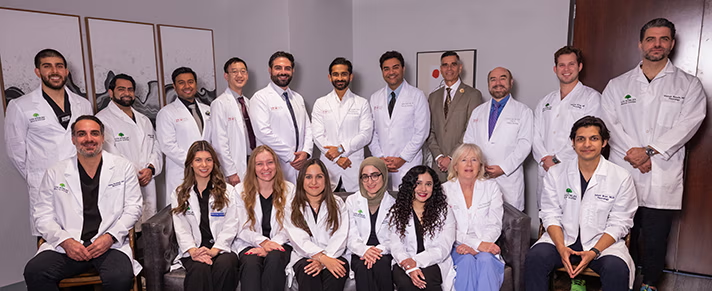
If you’re searching for expert care at a leading neurology center in Southern California, the Vascular and Neuroscience Institute of Southern California offers advanced endovascular treatment for brachiocephalic and subclavian artery disease. Our experienced interventional neurologists provide precise, minimally invasive care at our locations in West Hills, Thousand Oaks, Lancaster, Santa Barbara, and Las Vegas, serving patients throughout Southern California and Nevada with a focus on safety, outcomes, and individualized treatment.
locations

Visit One of Our Offices in Southern California and Nevada

West Hills Neurology Location
Thousand Oaks Neurology Location
Lancaster Neurology Location
Santa Barbara Neurology Location
Las Vegas Neurology Location
get in touch

Get the Care You Deserve at Vascular and Neuroscience Institute

Fill out the form and we’ll be in touch!